Why Roofers Might Recommend a Metal Roof for Your Property
Choosing the right roofing material is an important decision for any homeowner. Your roof needs to protect your property from the elements while complementing its architectural style and providing lasting value. Although asphalt shingles and tile remain popular options, metal roofing offers several advantages worth considering. Experienced roofers can help you evaluate these benefits based on your home's structure, local climate, and long-term maintenance needs.
Enjoy Long-Term Durability and Weather Resistance
Protect Your Home From Harsh Weather
One reason roofers recommend metal roofing is its ability to withstand challenging weather conditions. Heavy rainfall, strong winds, and intense sunlight can gradually wear down traditional roofing materials, potentially leading to leaks and costly repairs. Metal roofing is designed to handle many of these conditions while maintaining its protective properties.
Metal panels interlock or overlap to create a durable surface that directs rainwater toward the gutters. Standing seam systems feature raised connections between panels, helping water drain without easily entering the spaces between them. This design can be particularly beneficial in regions that experience frequent rainfall and seasonal storms.
Metal roofing can also resist strong winds when properly selected and installed. Secure fastening systems help keep panels in place during severe weather. However, performance depends on the roofing product, installation quality, and applicable wind ratings. Homeowners in storm-prone areas should discuss these factors with their contractor before choosing a system.
Benefit From an Extended Roofing Lifespan
Replacing a roof represents a significant investment, so choosing a durable material can help homeowners manage long-term expenses. Metal roofing stands out for its longevity and ability to remain functional much longer than conventional asphalt shingles when properly installed and maintained.
According to This Old House, a metal roof can last two to four times longer than a shingle roof when installation and upkeep are handled correctly. This extended lifespan may reduce how frequently homeowners need a complete roof replacement. Although metal roofing generally costs more initially than asphalt shingles, its durability can help offset that difference over time.
The actual lifespan depends on the metal type, protective coatings, weather exposure, installation practices, and maintenance routine. Homeowners should also review manufacturer warranties to understand coverage periods, exclusions, and maintenance requirements.
Add Fire Resistance to Your Property
Metal roofing is another option for homeowners who prioritize fire resistance. Metal itself is noncombustible, meaning it does not ignite in the same way as combustible roofing materials. Depending on the complete roof assembly, this characteristic can contribute to a home's overall fire protection.
However, a roof's fire rating depends on more than its exterior material. Underlayment, decking, insulation, and other components can affect the performance of the entire assembly. Homeowners should verify the fire classification of the specific roofing system rather than assuming all metal roofs provide identical protection.
Professional roofers can explain which products meet applicable building codes and suit the property's construction. Choosing an appropriately rated system helps homeowners make informed decisions about protecting their homes.
Improve Energy Efficiency and Architectural Appeal
Reduce Heat Absorption During Warm Weather
A roof receives considerable direct sunlight, particularly during warmer months. Some roofing materials absorb substantial amounts of solar heat, increasing roof temperatures and potentially contributing to heat buildup in the attic. Metal roofing can help address this issue through reflective finishes designed to redirect some of the sun's energy.
Depending on its color, coating, and surface characteristics, a metal roof may reduce heat absorption and help limit the workload placed on the home's air conditioning system. The potential savings depend on insulation, ventilation, climate, and the property's existing energy efficiency.
Homeowners should ask about reflective coatings and finishes when comparing products. Lighter colors and specially designed reflective surfaces may offer different thermal performance than darker finishes. Roofers can help identify suitable options based on the home's orientation, surrounding shade, and cooling needs.
Take Advantage of Metal Roofing's Lighter Weight
Roofing material weight affects the demands placed on a home's structural framing. Metal roofing is relatively lightweight compared with many traditional alternatives, including concrete and clay tiles. This difference can be useful when replacing an existing roof and evaluating the property's structural requirements.
A lighter roofing system may place less dead load on the roof framing than heavier materials. However, it does not eliminate the need for a structural assessment when one is necessary. The condition of the roof deck, framing, fasteners, and supporting components must still be evaluated during a replacement project.
Roofers can inspect the existing roof and explain whether the proposed system requires additional preparation or repairs. Understanding these requirements before installation helps homeowners plan their budgets and avoid unexpected complications.
Understand Installation Options and Long-Term Costs
Compare Different Metal Roofing Systems
Metal roofing includes several installation styles with distinct characteristics. Standing seam systems use vertically oriented panels with raised, interlocking seams and concealed fasteners. This configuration provides a streamlined appearance while limiting direct exposure of fastening points to rainwater.
Five-V-crimp roofing features a recognizable ribbed profile with exposed fasteners. Its traditional appearance suits many residential properties, and its fastening arrangement differs from the concealed connections used in standing seam systems. Proper fastener selection and maintenance help preserve performance.
Metal tile roofing offers another alternative for homeowners who prefer a traditional tiled appearance. Individual metal tiles are secured in place, combining decorative profiles with the relatively low weight of metal. Installation methods and labor costs may differ from those of larger panel systems.
Balance Initial Costs Against Future Expenses
Metal roofing generally requires a larger upfront investment than standard asphalt shingles. Material prices, roof complexity, labor, underlayment, flashing, and removal of existing materials can all affect the final estimate. Specialized profiles and finishes may also influence project costs.
However, comparing roofing materials solely by installation price can overlook important long-term considerations. A durable roof may require fewer full replacements over time, potentially reducing cumulative expenses. Reflective finishes may also contribute to lower cooling costs under suitable conditions, although actual savings vary by property.
Maintenance expenses should also factor into the comparison. Metal roofs require periodic inspections to identify damaged panels, deteriorated sealants, loose fasteners, and problems around roof penetrations. Addressing these issues early can help preserve the roof and prevent water intrusion.
Plan for Professional Installation and Maintenance
Even high-quality metal roofing can develop problems if installed incorrectly. Improperly secured panels, inadequate flashing, poorly sealed penetrations, and unsuitable fastening methods can compromise water resistance. Thermal expansion and contraction must also be accommodated through appropriate installation techniques.
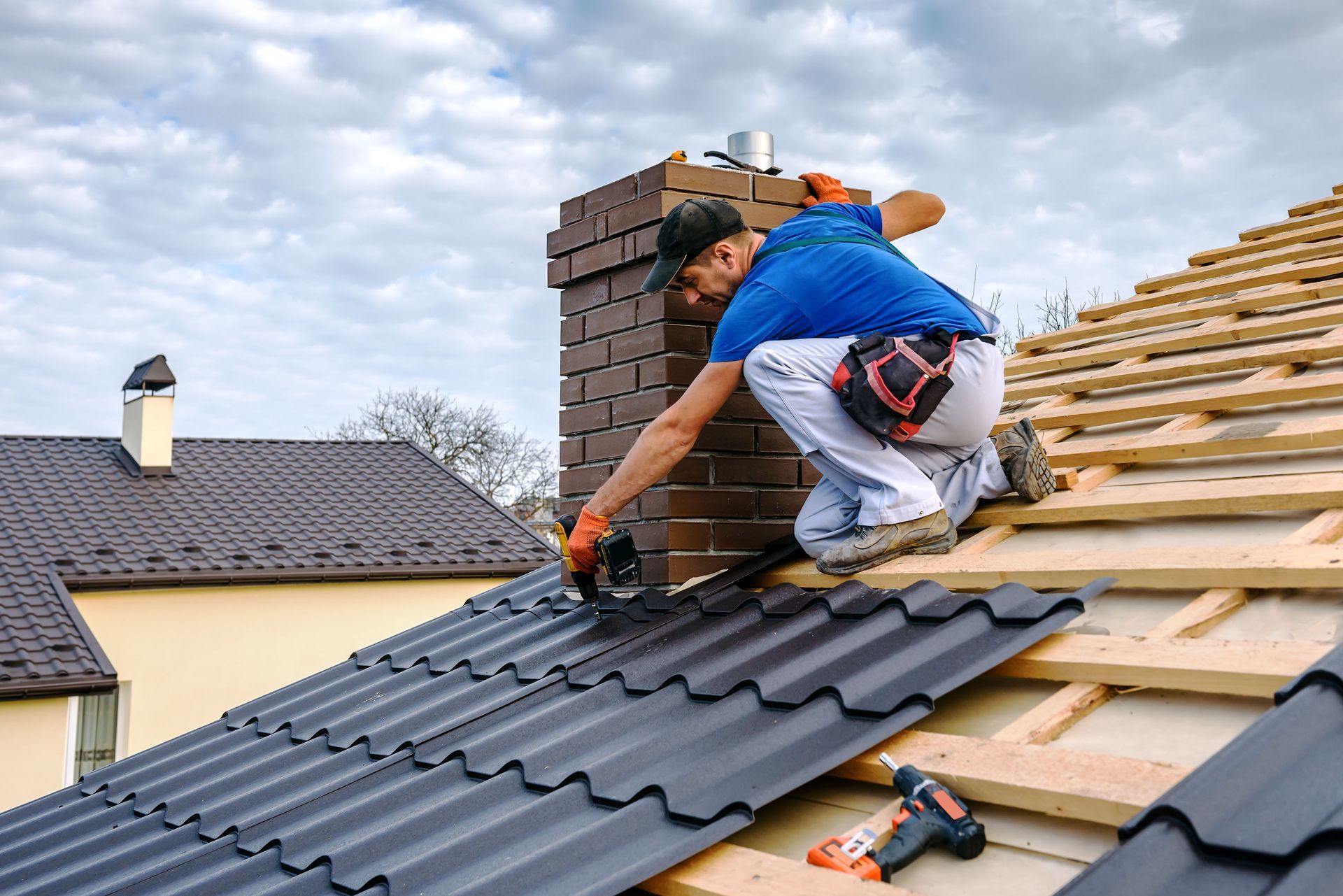
Professional installation helps ensure that roofing components work together as intended. Roofers can evaluate the existing roof deck, address damaged materials, install suitable underlayment, and pay close attention to vulnerable areas around chimneys, vents, valleys, and roof edges.
After installation, homeowners should arrange periodic inspections, particularly following severe storms. Keeping gutters clear and addressing visible damage can help maintain effective drainage and identify problems before they develop into costly repairs. Because walking on metal roofing can be hazardous and may damage certain profiles, qualified professionals should handle inspections and repairs.
Metal roofing combines durability, weather resistance, energy efficiency, and design flexibility, making it a practical option for many residential properties. However, the best choice depends on your home's structure, climate, architectural style, and budget. Experienced roofers can evaluate these factors, compare suitable systems, and explain installation costs and maintenance requirements. With careful planning and professional installation, you can select a roofing solution that provides lasting protection and complements your property.
Contact Roofing by Curry to discuss your metal roofing options, compare materials, and receive a personalized estimate for your home's roofing needs.