5 Things to Consider Before Installing a New Roof
Installing a new roof represents a significant financial undertaking and a vital step in maintaining the structural integrity of your home. It is a complex project that requires more than just picking out a color or finding a contractor on short notice. Homeowners must navigate a variety of decisions regarding materials, long term durability, and financial planning to ensure the final result provides lasting protection. This transition from an old, failing roof to a modern, resilient system is an opportunity to improve energy efficiency and boost the curb appeal of the property.
Because a roof is the primary defense against the elements, the planning phase should be approached with a focus on detail and long range performance. By understanding the various components of the process, from initial budgeting to final inspection, you can avoid common pitfalls and ensure that your home remains safe and dry for decades.
1. Budgeting For Material And Labor Costs
One of the first hurdles in any roofing project is establishing a realistic budget. The financial scope of the work is determined by a combination of material choices and the complexity of the installation itself. Homeowners need to account for the price of the shingles or panels as well as the specialized labor required to install them correctly. According to Today's Homeowner, new roof installation typically runs from $5,000 to $12,000, with most homeowners paying between $8,000 and $10,000. This range takes into account the material selected, as well as potential savings from choosing alternatives like synthetic shingles or metal roofing.
Beyond the base price, it is wise to set aside a contingency fund. Often, once the old materials are removed, a roof installer may discover hidden damage to the wooden decking or support beams that was not visible during the initial estimate. Preparing for these surprises prevents the project from stalling due to a lack of funds. It is also worth looking into financing options or insurance coverage if the replacement is due to storm damage, as these can significantly offset the immediate out-of-pocket burden.
2. Selecting The Right Roofing Materials
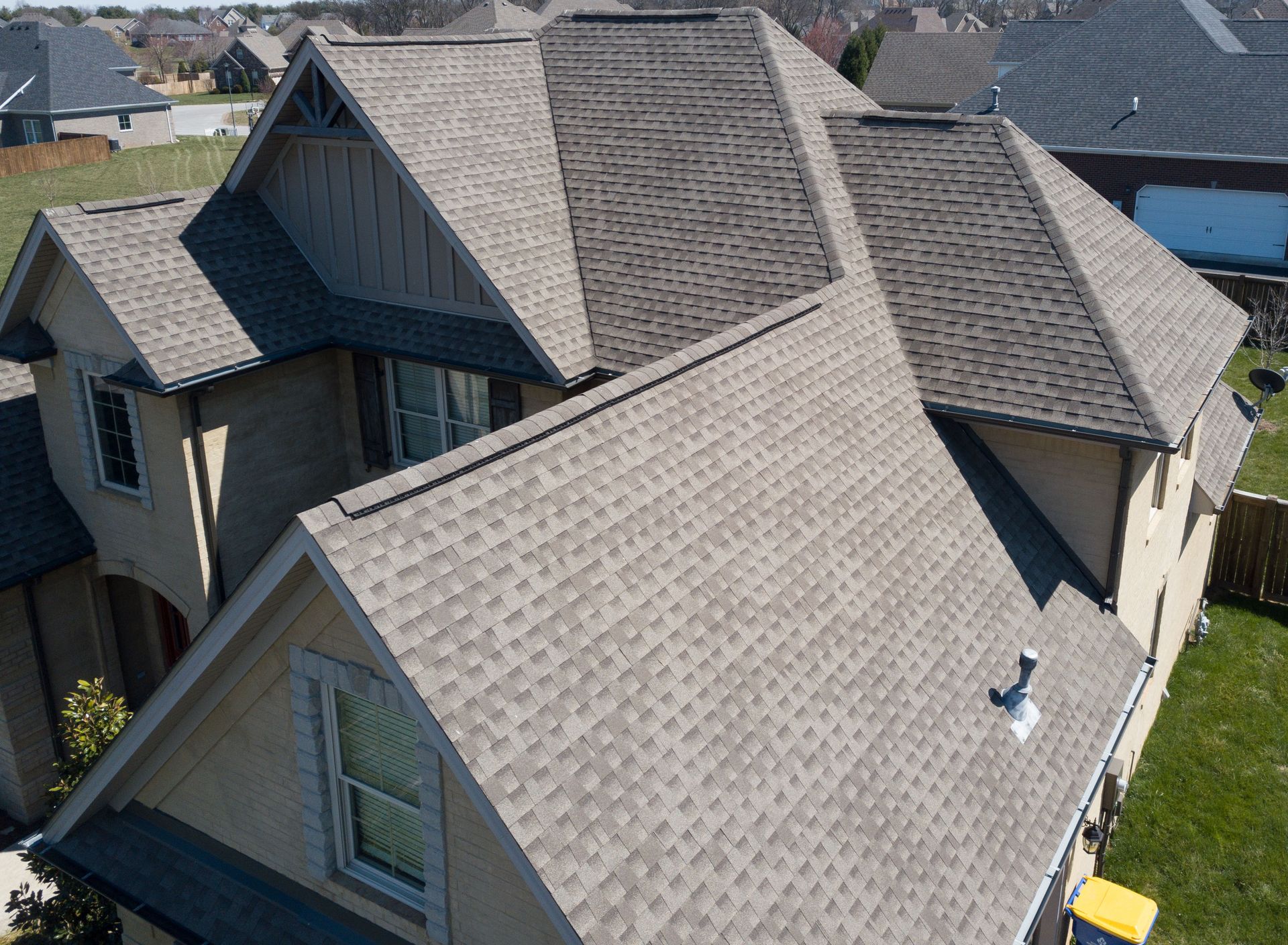
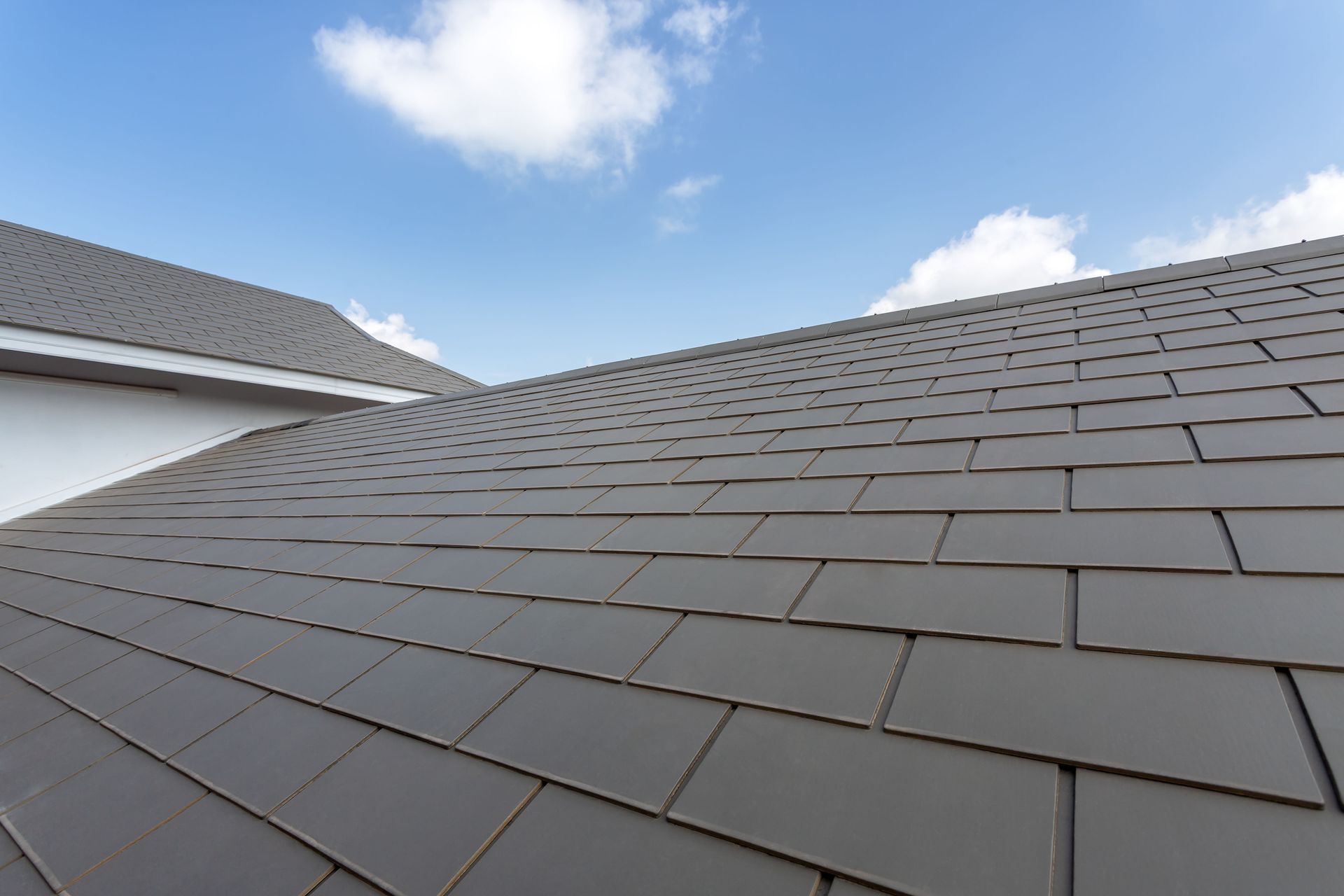
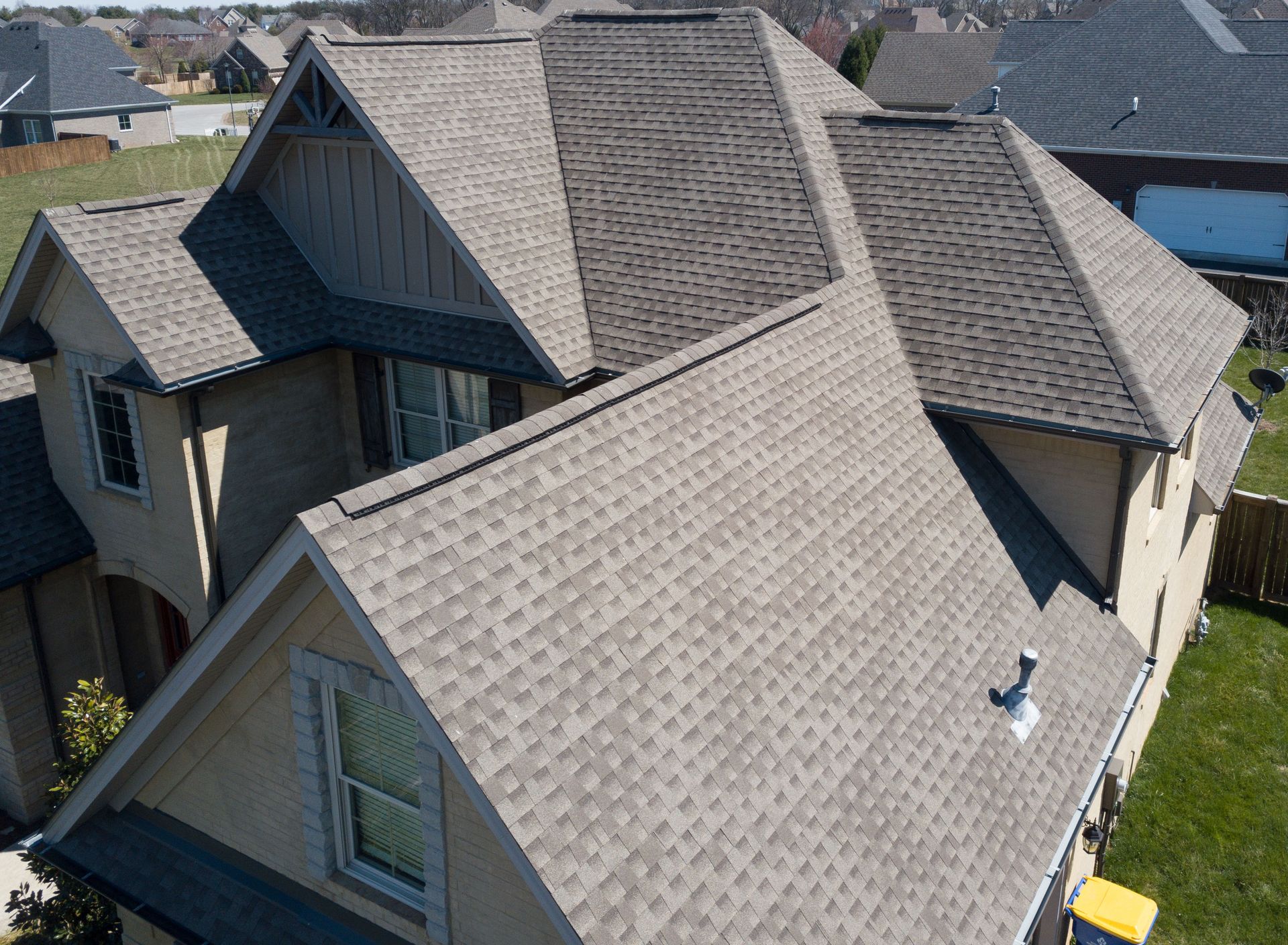
The market is filled with various options, each offering different benefits in terms of weight, fire resistance, and style. Asphalt shingles remain a popular choice due to their affordability and ease of installation, but they may not offer the same longevity as metal, slate, or clay tiles. When choosing a material, consider the climate in your specific region. For example, homes in areas prone to wildfires might benefit from Class A fire rated materials, while those in coastal regions need products that can withstand salt air and high winds.
The weight of the material is another technical factor that cannot be ignored. Heavier options like slate or thick tile may require additional structural reinforcement of the attic rafters to prevent sagging or collapse. A professional roof installer can provide a structural assessment to determine if your home can support the weight of your preferred material. Additionally, think about the aesthetic impact on your neighborhood. While you want your home to stand out, choosing a material that clashes significantly with surrounding properties might affect future resale value.
3. Assessing Environmental And Weather Factors
Your local weather patterns should be the primary driver behind your technical choices. A roof in the snowy north faces different challenges than one in the humid south. In colder climates, the prevention of ice dams is a major concern. This requires a combination of proper ventilation and water shielding at the eaves to ensure that melting snow does not back up under the shingles. In warmer, sunnier climates, the focus shifts to UV resistance and heat reflection. Reflective coatings and cool roof technologies can significantly reduce the amount of heat transferred into the living space, lowering air conditioning costs during the summer months.
Wind resistance is also a critical metric, especially in paths frequented by heavy storms. During the selection process, a qualified roof installer will look at the pitch and orientation of your home to recommend the best products for your microclimate. Proper drainage is another environmental factor, as standing water is the enemy of any roofing system. Ensuring that the slope is sufficient and that the gutter system is integrated perfectly will prevent moisture from seeping into the walls or foundation.
4. Evaluating Contractor Credentials And Expertise
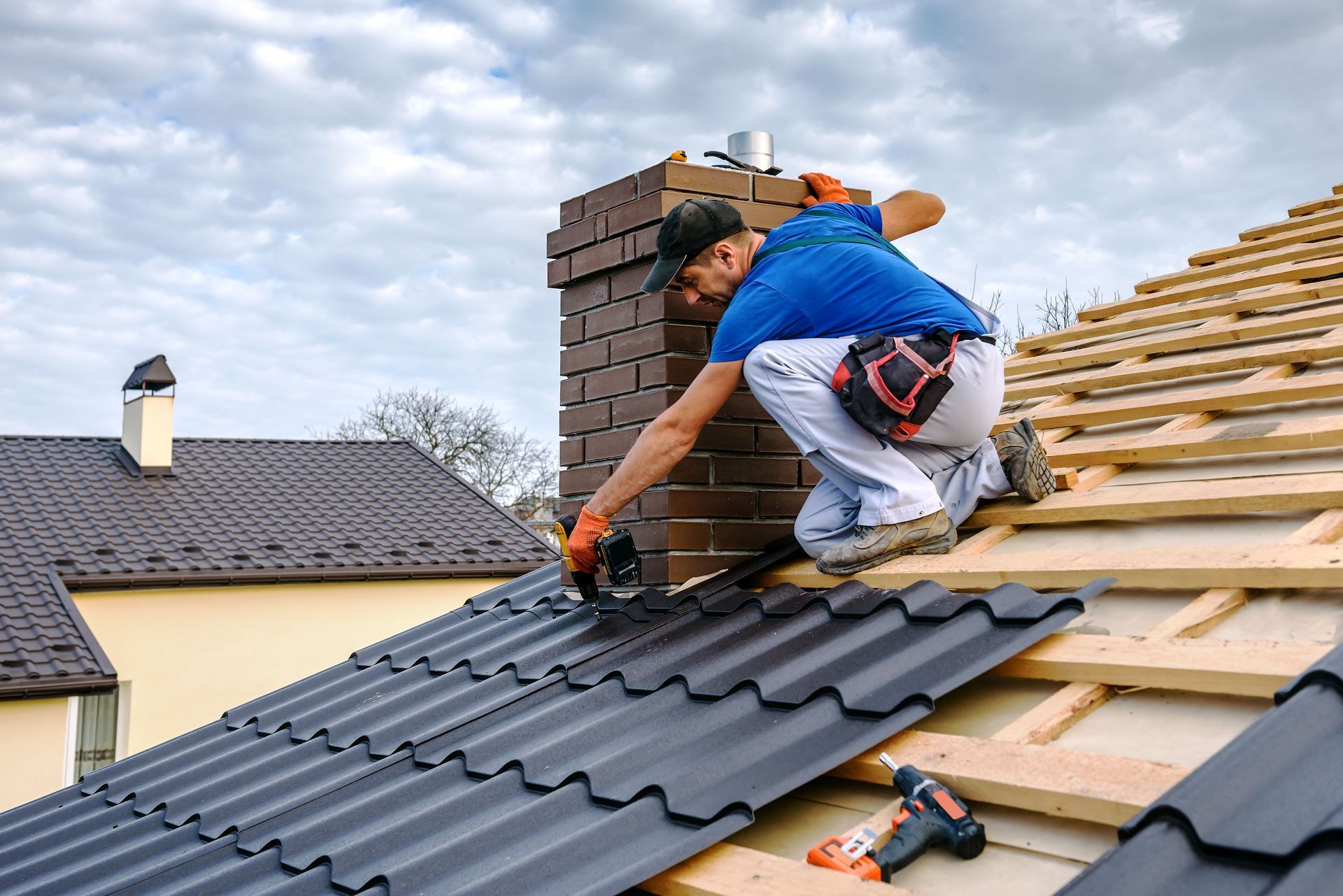
Finding the right person for the job is just as important as picking the right shingles. Not all contractors are created equal, and the quality of the installation will ultimately determine how long the roof lasts. It is vital to verify that any professional you hire carries the necessary liability insurance and workers' compensation coverage. This protects you from being held responsible if an accident occurs on your property.
You should also look for factory certifications from material manufacturers, as these often allow the contractor to offer extended warranties that uncertified workers cannot provide. When you speak with a potential roof installer, ask for a detailed written estimate that breaks down the costs for tear off, disposal, materials, and labor. Avoid verbal agreements, as they offer no protection if the scope of work changes. It is helpful to check online reviews and ask for references from recent projects in your area. Seeing a completed job in person can give you a clear idea of the quality of their craftsmanship and their attention to detail regarding cleanup and property protection.
5. Prioritizing Long Term Maintenance Plans
Once the new roof is in place, the work is not entirely over. To maximize your investment, you must commit to a regular maintenance schedule. This involves periodic inspections to look for signs of wear, such as cracked sealants around vents or debris buildup in the valleys. Many homeowners schedule these checks twice a year, typically in the spring and fall, to ensure the system is ready for the upcoming season. Keeping overhanging tree branches trimmed is another simple yet effective way to prevent damage.
Branches that rub against the surface can strip away the protective granules of shingles, while falling limbs can cause significant structural dents or punctures. It is also important to keep the gutters clear so that water flows freely away from the roofline. If you notice any issues during your own visual check, such as a missing shingle or a loose piece of flashing, it is best to call a professional roof installer immediately. Small repairs are much more affordable than major leak remediations. By staying proactive, you ensure that the warranties remain valid and that the roof reaches its full expected lifespan, providing you with peace of mind regardless of the weather outside.
Successfully replacing a roof requires a balance of financial readiness, material knowledge, and the selection of a high quality partner to perform the work. From understanding the initial cost estimates to planning for decades of maintenance, every step you take now builds a foundation for a safer home. Taking the time to research local building codes and environmental requirements will pay off in the form of a roof that is as functional as it is beautiful.
Remember that the cheapest bid is not always the best value if it leads to premature failure or costly leaks. When you are ready to begin this essential home improvement journey, reach out to the team at Roofing by Curry. As a premier
roof installer, we are dedicated to providing superior craftsmanship and durable solutions tailored to your specific needs. Contact us today to schedule your comprehensive consultation and take the first step toward a more secure and energy efficient home.